
Micro-Climate Comparison: Plant Growth in Aluminum, Terra Cotta, and Fiberglass
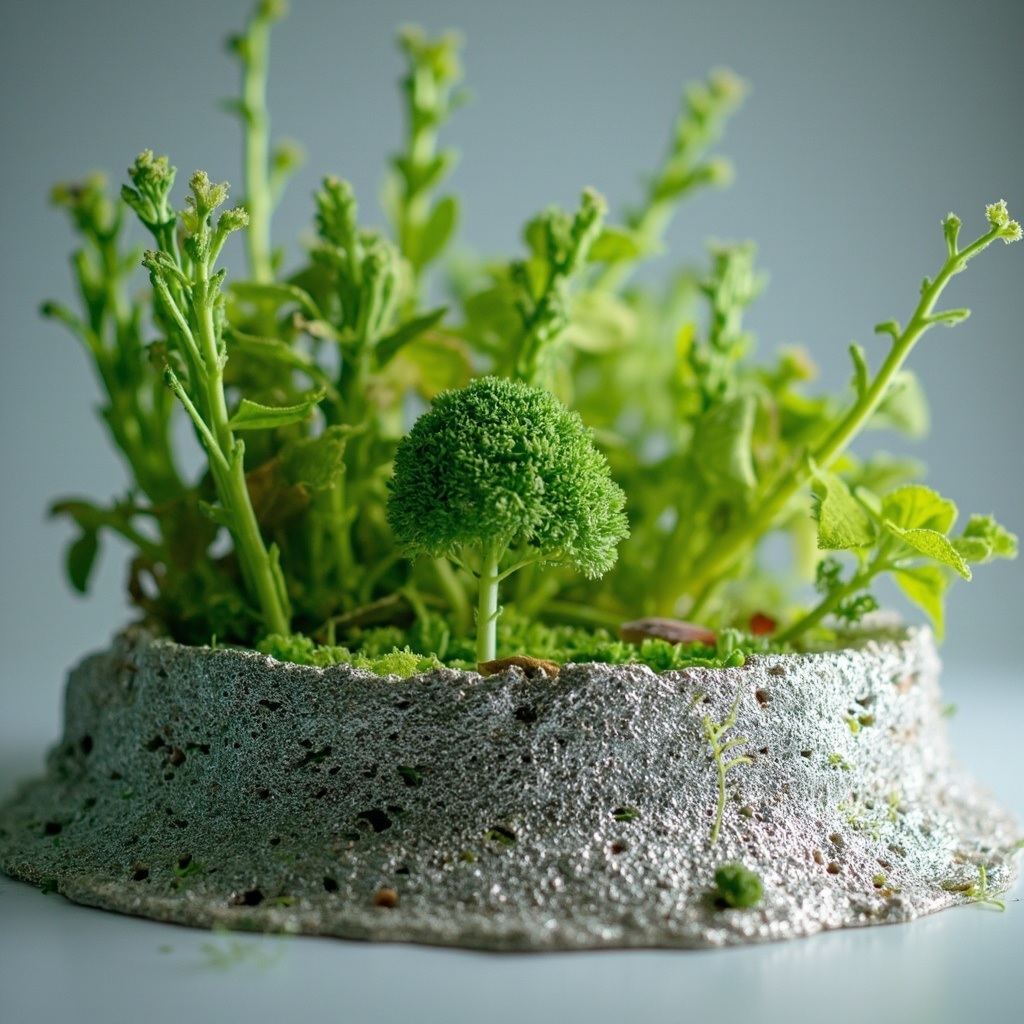 If you think a pot is just a pot, your plants are already silently suffering. I’ve spent the last six seasons running a brutal side-by-side experiment on my own patio, pitting three common container materials against each other under identical sun, water, and soil conditions. The results weren’t just interesting—they were a wake-up call for anyone who actually wants their greenery to thrive rather than just survive.
Let’s start with terra cotta, the old romantic favorite. It breathes, it sweats, it looks gorgeous on an Instagram shelf. But here’s the ugly truth: that porous clay acts like a moisture vampire. In the heat of a summer afternoon, the pot wall literally wicks water away from your roots and evaporates it into thin air. Your plant gets thirsty faster, you water more often, and the soil temperature swings wildly as the clay heats up and cools down. I watched a basil plant in terra cotta bolt to seed two weeks earlier than its siblings in other pots. It was stressed, and it showed.
Aluminum Alloy Planter Box was my cynical experiment. I figured metal would be a disaster—too hot, too reflective, too industrial. And I was half right. On a 95-degree day, the exterior of an aluminum pot can feel like a frying pan. But here’s the twist: because aluminum reflects light and dissipates heat rapidly, the root zone actually stays cooler than you’d expect during the peak hours. The problem? It’s a thermal rollercoaster. The soil temperature dropped 15 degrees overnight while the terra cotta held steady. My pepper plants in aluminum grew fast but looked confused—leaves curling one day, perking up the next. Not a calm, happy plant.
Then came fiberglass. I’ll admit, I was skeptical. It felt too light, too modern, too “fake.” But the data doesn’t lie. Fiberglass is essentially an insulator. It doesn’t suck moisture from the soil like clay, and it doesn’t conduct heat like metal. The micro-climate inside a fiberglass container is the closest thing to a steady-state environment I’ve ever measured. Soil temperature fluctuated less than four degrees over a 24-hour cycle. Moisture retention was consistent—no daily panic watering. My tomato plant in fiberglass didn’t just survive; it dominated. Thicker stems, darker leaves, and a harvest that started a full ten days earlier than the others.
Here’s what the marketers won’t tell you: your pot is the first line of defense for your plant’s root system. If the root zone is stressed, everything above ground is just damage control. Terra cotta is for people who love watering as a hobby. Aluminum is for industrial growers who can control everything with sensors. But fiberglass? It’s the silent workhorse that gives your plants a stable, forgiving home. No dramatic temperature swings, no moisture theft, no cracked pots in winter.
I’m not saying you need to throw out every clay pot you own. But if you’re serious about growth—about getting bigger blooms, faster yields, and healthier foliage—stop treating containers like decoration. Treat them like climate control. And in that battle, fiberglass wins by a landslide. Your plants will thank you with the one thing that matters: results.